Blog: Build your own Hangglider and Paraglider Winch
Design of sled
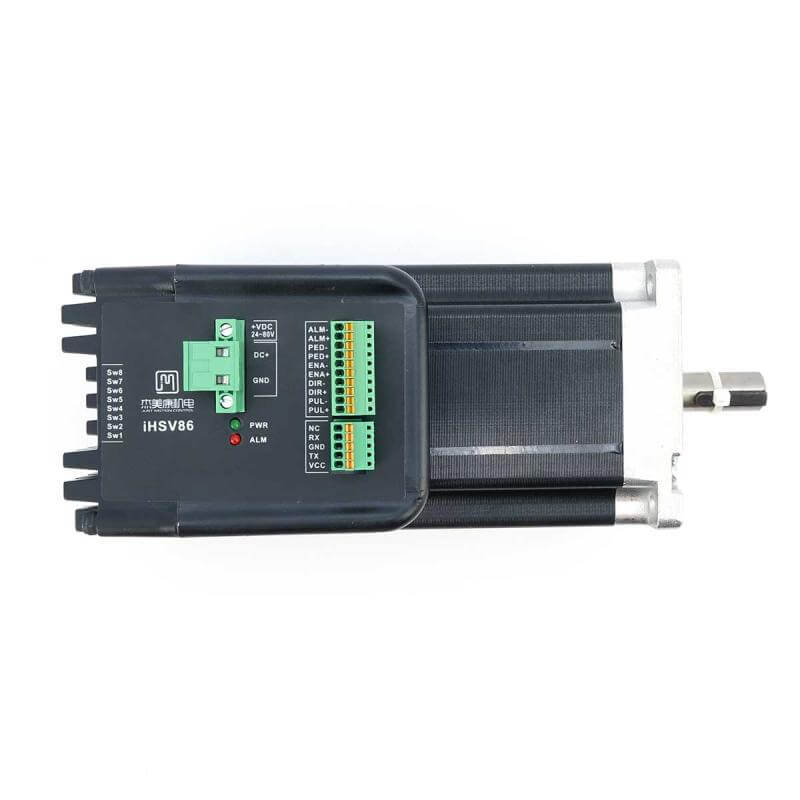
Servo motor
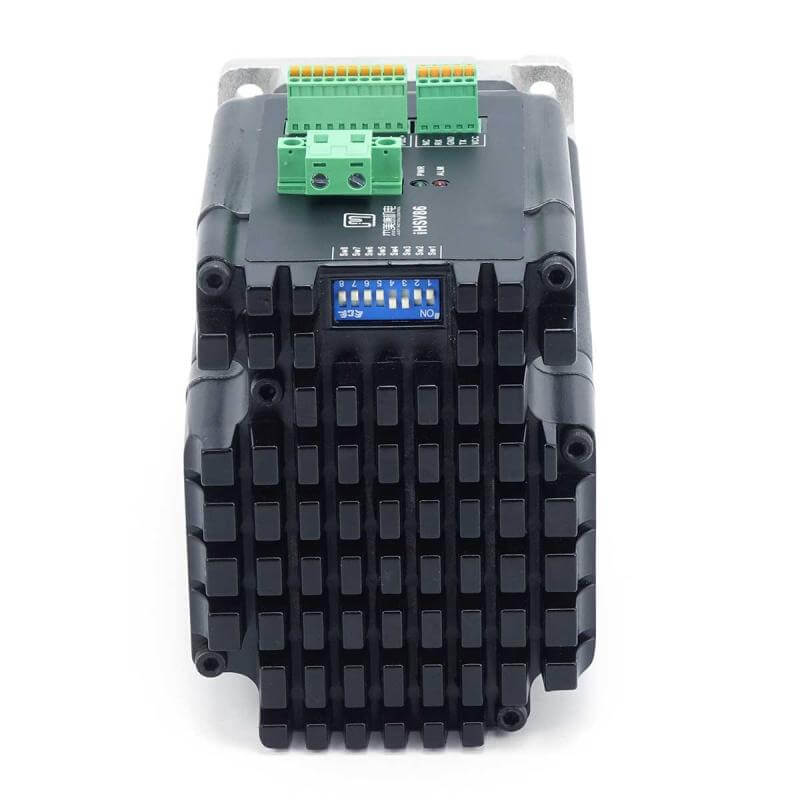
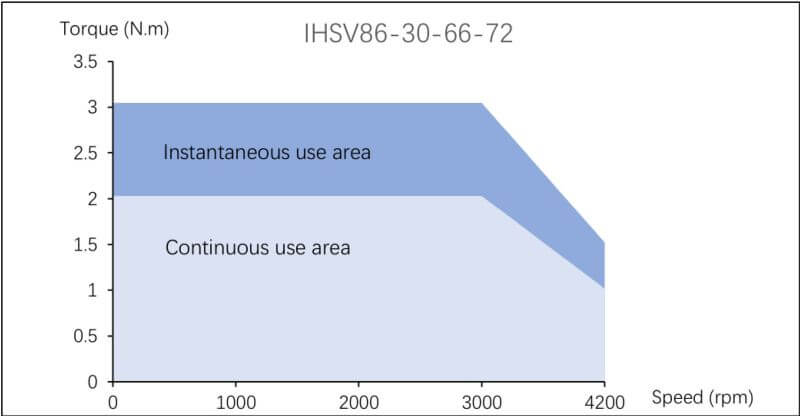
The servo motor is a key component in the design and provides a simple, low-tech solution for achieving absolute synchronous positioning.
Read more about the 660W servo motor here.
Libraries are available in Codesys to convert a 32-bit positioning reference signal in the PLC program into the pulse and direction signals at the PLC output.
See the PLC program for more details.
The servo itself regenerates a small amount of energy when changing direction. Therefore, a capacitor must be added to the supply to avoid overvoltage.
A 100V, 10mF capacitor is optimal:
RS Components – Electrolytic Capacitor
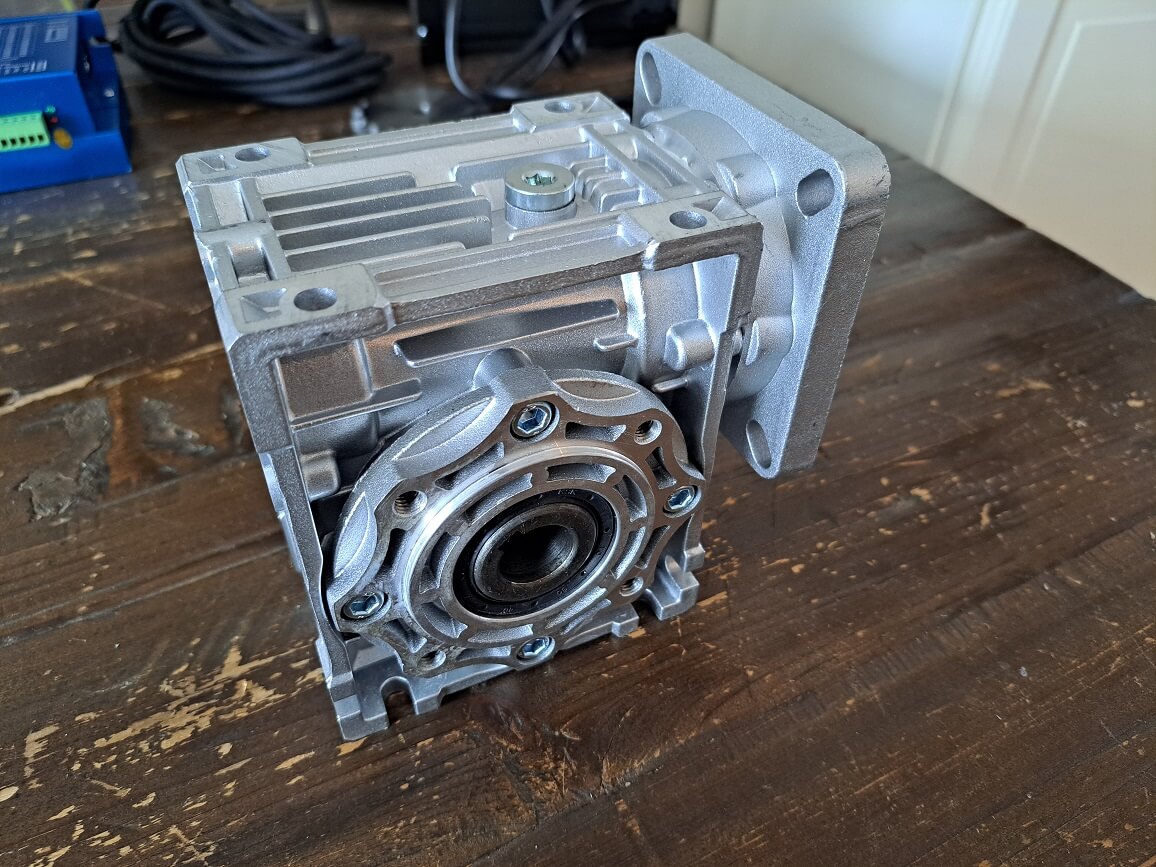
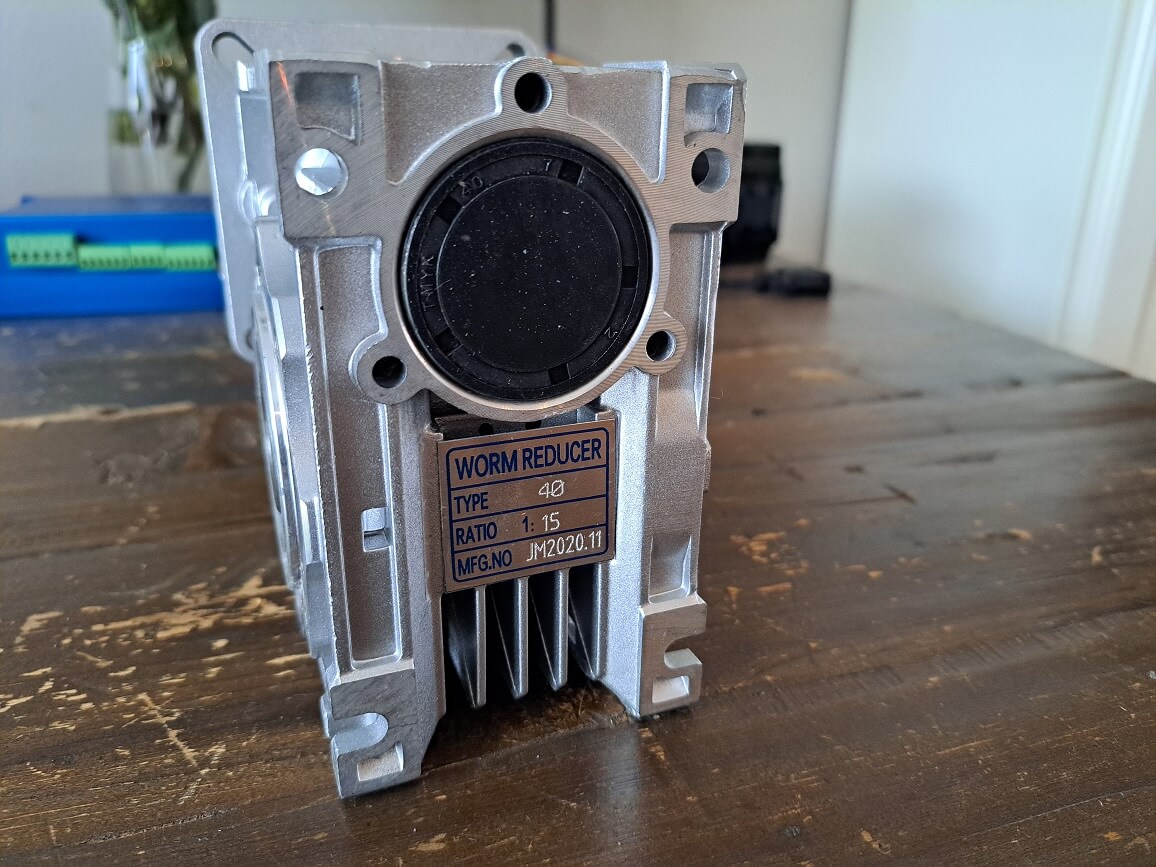
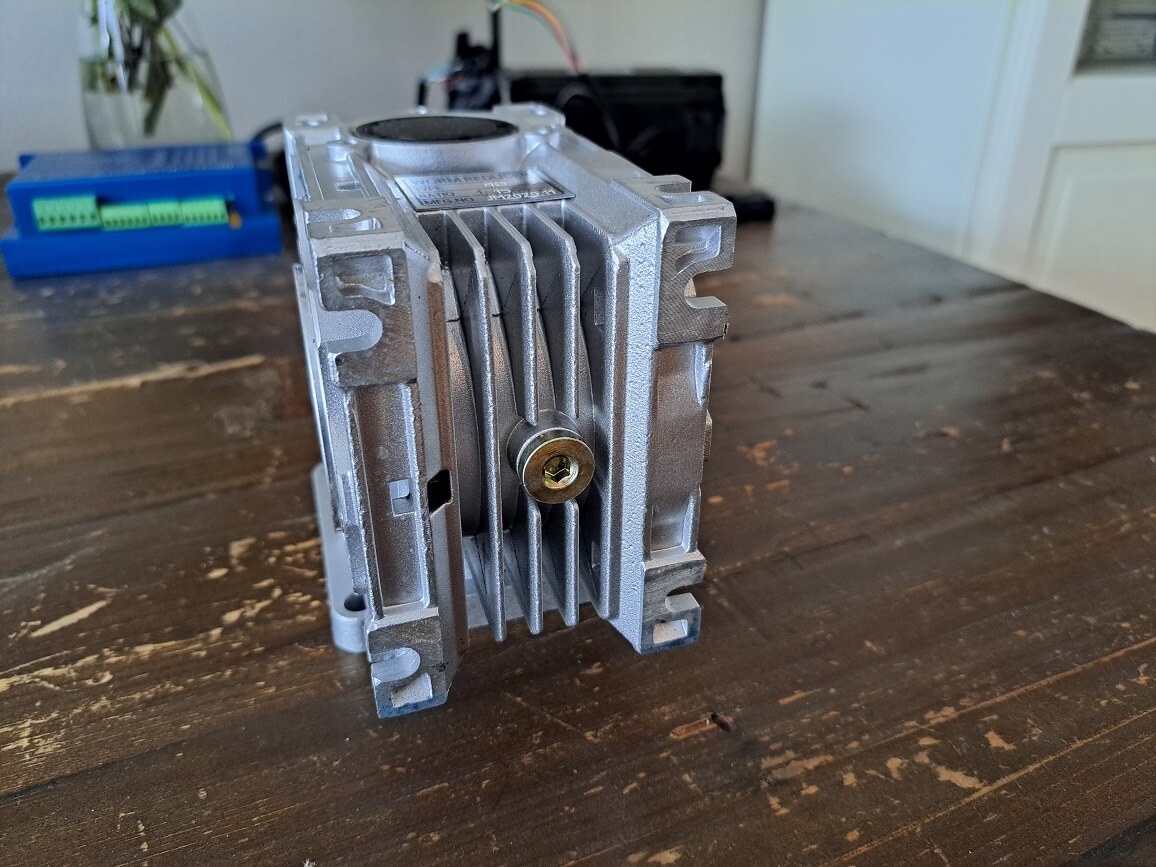
The gear from Aliexpress is a great solution for converting the high-speed output of the servo motor into a slow-running shaft.
With a gear ratio higher than 20:1, it does not regenerate power, which is advantageous when powering the servo from power supplies.
However, efficiency decreases as the gear ratio increases.
The standard oil is very pure, as shown in the graph, but you can improve efficiency by switching to a higher-quality oil. The oil should have high viscosity, GL4 additives, and EP additives that are suitable for red metals. For example:
Castrol Revival EP 180
The servo motor is geared through a worm gear connected to serveral sprockets, which makes it easy to change the gear ratio. The intermediate gearing allows more flexible mounting options of the servo gear, and the forces between the gearmotor and rail is reduced due the the gearing of the sprockets.
The output shaft of the gearmotor is equipted with a 3D-printed hall sensor quadrature encoder with 20 magnets (80 edges per round).
The same principle is used on the main motors output shaft.
The sled is equiped with a load cell. There is no need for this in normal operation, but it allows to detect very fast variations in rope tension. This is very useful for payout or wire retrieve.